Tidy X
- 4.6
- Rating
- 1.00M
- Installs
- Free
- Price

 Analysis by App-foxy
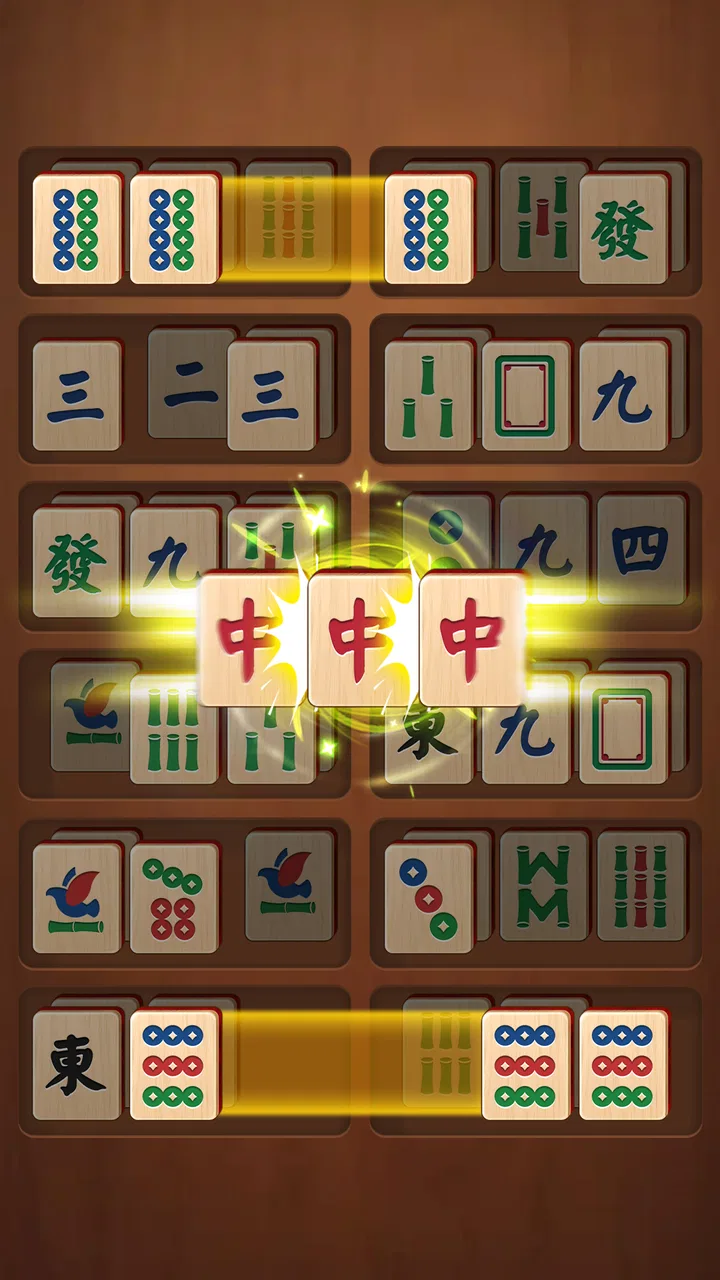
I approached Tidy X as a small, low-pressure board game rather than something designed to keep me glued to the screen for hours. Its central idea is easy to understand: arrange and match tiles until the board looks orderly. That simplicity is exactly what makes it appealing, but it also means the quality of each short session depends on how clearly the board communicates what I can do next.
Developed by Heartsnet, the game is free and rated for Everyone. It has already reached over one hundred thousand installs and holds a 4.9 average from around four thousand six hundred ratings, which suggests that its calm puzzle style has found an audience. I would describe it as a good fit for people who enjoy sorting games, gentle visual routines, and small decisions that gradually turn a messy layout into a clean one.
My main focus while using it was not simply whether the matching was enjoyable. I also paid attention to the moments when a player might wonder why a move is unavailable, why progress feels slower than expected, or whether a problem comes from the game itself or from the device. Those details matter more in a minimalist puzzle than they do in a noisy action game, because the entire experience depends on clarity and rhythm.
You May Also Like

 Blood Strike: 2.5 Anniversary
Blood Strike’s Loadouts Turn Every Drop Into a Tactical Gamble
A close look at Blood Strike’s custom loadouts: how fast access to signature weapons reshapes its battle royale rhythm, rewards preparation, and narrows the gap between fights.

 Pandora - Music & Podcasts
Pandora’s Music Is Easy to Start, but Harder to Recover
Pandora’s strength is its low-effort path from a seed to a station. Its weak spot is how much confidence it asks you to place in connection, setup, and quiet recovery.

 8 Ball Pool
 Is Built on Rivalries, Rematches, and Routine
A close look at the rivalries, rematches, shared routines, and unanswered safety questions that turn a quick pool match into a persistent mobile community.

 Samsung Music
’s Quiet Strength Is Playing What You Already Own
Its reach comes less from spectacle than from dependable access to a personal library. That simplicity is both the app’s strongest retention engine and its ceiling.

 AccuWeather: Weather Radar
AccuWeather Review: A Quick, Clear Forecast for Everyday Decisions
For everyday plans, the best forecast is the one you can understand quickly. AccuWeather makes rain timing, radar, and local conditions easy to act on, with a few trade-offs.

 Hill Climb Racing
Why Hill Climb Racing Still Turns Crashes Into One More Run
A tiny car, a bumpy hill and one more upgrade: Hill Climb Racing keeps resurfacing because its simple chaos makes every near-miss feel personal.
More From Our News Desk



Getting past the first points of friction
I found that the easiest way to get comfortable is to treat the first few moves as a chance to learn the board’s visual logic, not as a test of speed. A whole-layout scan before each tap can help separate a genuine input problem from a move that simply does not fit the arrangement. Once that distinction feels clearer, it becomes easier to decide whether this measured style is the kind of puzzle break I want.
Why the opening can feel less obvious than expected
The phrase “tile matching” sounds immediately familiar, but there is a difference between recognizing the general idea and understanding the exact sorting logic of a particular board. In Tidy X, I found that the first useful habit is to pause before tapping repeatedly. Look across the whole layout, identify the visible groups, and decide which match will open the most space rather than simply choosing the first pair that catches your eye.
That approach is especially useful for anyone coming from a faster match-three game. Traditional match-three titles often reward quick combinations, falling pieces, and chain reactions. This game feels more deliberate. The satisfying part is not speed; it is noticing how one tidy decision changes the options around it. If you treat every available tile as equally valuable, the board can become harder to read. If you treat each move as part of a cleanup sequence, the puzzle becomes more manageable.
A practical starting routine helped me avoid unnecessary confusion. I first scanned for obvious matches, then checked whether removing them would expose or clarify nearby tiles. After that, I looked for the least flexible pieces: tiles that seemed blocked by the arrangement or that had fewer matching possibilities. This is a small strategic distinction, but it prevents the common mistake of clearing easy pieces while leaving the awkward section untouched.
What to check before blaming the game
Because this is a visually focused board game, basic presentation problems can feel like gameplay problems. Before assuming a tile is unresponsive or a match has failed, I would check whether the screen is being touched accurately, whether another application is covering part of the display, and whether the game has finished loading its current board. A quick restart of the app can also separate a one-off display hiccup from a repeatable issue.
On Android, the listed minimum requirement is version 6.0. That makes the compatibility range fairly broad, but an older phone may still behave differently from a modern device if it is short on free storage or running many background processes. I would close unused applications, reopen the game, and test the same action again before changing anything more complicated. This is not a special trick for Tidy X; it is simply the least disruptive way to isolate a temporary device slowdown.
The game is currently at version 1.3.2, so I would also make sure that the installed copy is current before spending time troubleshooting. An outdated installation can create inconsistencies after an operating-system update, particularly when a game relies on touch input and screen rendering. Checking the app’s normal update path is safer than downloading an unfamiliar package from elsewhere.
Making the board easier to read
My most useful setup adjustment was not a hidden option but a change in how I played. I used a stable brightness level, held the phone at a comfortable angle, and avoided playing with the screen partially obscured by a case edge or a charging cable. Small tile differences are easier to judge when glare is reduced, and a clear view makes the sorting process feel much less tiring.
I also recommend playing the first few boards without trying to maximize speed. The goal is to learn how the game presents a valid relationship between tiles. Once that visual language becomes familiar, the later decisions feel more natural. Rushing at the beginning can make a player think the game is inconsistent when the real issue is simply that the board has not yet been read carefully.
Another useful check is touch accuracy. If a tile seems to ignore a tap, try touching the center of the tile rather than its edge. Remove a finger or stylus from the screen before attempting the next move, and avoid tapping several times in quick succession. When a board is crowded, a slightly misplaced touch can look like a failed match even though the game has responded exactly to a different area.
Recovering a session without losing the thread
When I reached a position that felt confusing, I found it better to stop making moves than to continue tapping in the hope that the board would correct itself. First, I reviewed the remaining tiles and looked for a match that would create the greatest amount of visual separation. If the layout still seemed unclear, I left the game briefly and returned with fresh attention. Sorting puzzles benefit from a short reset because the eye can become fixed on one unhelpful pattern.
If the application closes unexpectedly, I would reopen it normally and check whether the current board returns in the same state. If it does, I would continue from there rather than repeatedly force-closing the app. If it does not, I would note what happened immediately before the closure: a screen rotation, a notification, a low-battery warning, or a sudden switch to another application. Those details help identify whether the problem is tied to a particular interruption rather than to the puzzle itself.
I would avoid clearing app storage as a first response. That kind of step can remove local progress in some games, and there is no reason to take that risk when a simple restart or device reboot may solve the problem. A safer order is to close and reopen the game, restart the phone if necessary, check available storage, and only then consider more disruptive maintenance.
For a game built around short sessions, this recovery process matters. A player may open it during a commute, while waiting for an appointment, or between household tasks. In those situations, losing concentration is more likely than encountering a dramatic technical failure. The best workflow is therefore one that makes it easy to pause, return, and continue thinking without turning a minor interruption into a complete reset.
A realistic everyday use case
I can see Tidy X working particularly well during a ten-minute break when I want something more engaging than scrolling but less demanding than a competitive game. I would play one or two boards, stop before the task becomes repetitive, and return later when I wanted another quiet mental exercise. The tile-sorting format gives the break a clear beginning and end, which is useful when I need to put the phone down quickly.
It could also suit a family setting because the content rating is Everyone and the basic objective is easy to explain. I would still show a younger player how to inspect the whole board before tapping, since the strategic value comes from planning rather than frantic interaction. For an adult who wants deep strategy, however, the appeal may be limited. The game is better at providing calm focus than at offering a complex competitive system.
When the application may not be the cause
Not every frustrating session points to a software fault. A dim screen, strong reflections, tired eyes, or a cracked section of the display can make similar tiles difficult to distinguish. Accessibility settings that alter contrast, color, or touch behavior may also change how comfortably the board can be read. If the game appears to respond inconsistently, I would test another part of the screen or another application to see whether the issue follows the device.
Performance can be affected by the phone itself as well. Heat, very low battery, limited storage, and too many active applications can make touch response feel delayed. Restarting the device and freeing a little space are sensible general checks. If other games and apps show the same delay, Tidy X is probably only revealing a broader device condition rather than causing it.
Network conditions are another area where users often make assumptions. A temporary connection problem may affect downloads, updates, or the initial opening process, but it does not automatically explain every issue inside a board. I would first identify the exact symptom: is the game failing to open, is a tile difficult to select, or is the puzzle simply harder than expected? Separating those cases prevents unnecessary changes and leads to a more useful fix.
The same principle applies to progress concerns. Before reinstalling, I would check whether the game resumes after a normal close and reopen. If progress matters to me, I would avoid destructive troubleshooting until I understand what the device is doing. A clean installation may remove the visible symptom while also removing the session I wanted to preserve, so it should be treated as a later step, not a reflex.
How it compares with familiar alternatives
Compared with classic match-three games, Tidy X is less about cascading combinations and more about controlled organization. Players who enjoy explosive chains, timers, special pieces, or a strong sense of score chasing may find those alternatives more exciting. Those games are usually better when I want constant motion and immediate feedback.
Compared with traditional solitaire-style board puzzles, this game offers a more visual and tactile form of decision-making. I am not managing a hand of cards or following a familiar card hierarchy; I am reading a layout and trying to reduce clutter. That makes it approachable for someone who likes sorting but does not want to learn a long rule set.
It also differs from large puzzle collections that offer many unrelated modes. A collection can provide more variety, but that variety may come with menus, currencies, challenges, or frequent interruptions. Tidy X’s focused identity is a strength when I want one recognizable activity. The trade-off is that players seeking several puzzle types in one download may prefer a broader alternative.
For people who enjoy relaxing organization games, the comparison is more favorable. The simple premise leaves room for a quiet, methodical pace, and the free price removes the need to make a purchase before deciding whether the style suits you. Still, free does not automatically mean universally appealing: someone who needs a highly demanding brain-training experience or a social leaderboard may outgrow this format quickly.
Small techniques that improve the experience
My first tip is to prioritize clarity over immediate reward. When two moves are available, choose the one that makes the remaining area easier to inspect. A move that removes fewer tiles can still be better if it separates a crowded section or reveals a more useful match. This is the kind of decision that the short store summary cannot explain, but it changes how satisfying the game feels.
My second tip is to use a pause as part of the strategy, not as a sign of failure. If I start cycling through the same choices, I stop touching the board and describe the remaining layout to myself in simple terms: which tiles are grouped, which are isolated, and which area looks most constrained. That verbal reset often exposes a move I missed while staring at the full screen.
My third tip is to treat device maintenance as part of a smooth puzzle routine. Keeping the phone cool, using a clean screen, and closing demanding background apps can matter more here than players expect because the game depends on precise visual selection. These steps do not add features, but they reduce the number of moments that feel like uncertain input.
Finally, I would not judge the game after one rushed session. Try it when you have a few uninterrupted minutes, use the whole-board scan before each move, and notice whether the sorting rhythm becomes more comfortable. If it still feels too slow after that, the issue is probably preference rather than setup. That is useful information, because no troubleshooting step can turn a deliberately calm puzzle into an action game.
My practical verdict
Tidy X is a pleasant choice for players who want a free board game built around matching, sorting, and gradually restoring order. Heartsnet has chosen a narrow concept, and I think that focus works when I am in the mood for a quiet challenge that can fit into a short break. The Everyone rating also makes its basic presentation broadly approachable, while the strong user response gives it a reassuring starting point for curious players.
Its limitations are closely tied to its strengths. The focused format may feel repetitive to anyone who needs constant novelty, and the lack of a more intense competitive feel makes it a weaker choice for players who prefer pressure, speed, or elaborate progression. Some frustration can also come from reading a crowded board or tapping imprecisely, so the game rewards patience more than rapid reactions.
For me, the deciding question is simple: do you enjoy making a messy visual arrangement feel orderly one decision at a time? If yes, I would recommend trying it, especially for short offline-style breaks where a calm board is more appealing than a busy alternative. If you want dramatic combos, a large collection of modes, or demanding long-term strategy, I would look elsewhere.
With version 1.3.2 and support beginning at Android 6.0, it is an accessible option for many Android users. I would install it, give the opening boards a careful read, and keep the basic recovery steps in mind before assuming a confusing move is a technical problem. The best way to enjoy Tidy X is to play it as a tidy mental reset, not as a race.
FAQs for Tidy X
01What is Tidy X and what does it offer?
Tidy X is an organizational app designed to streamline your daily tasks and manage your schedule efficiently. It offers features like task lists, calendar integration, reminders, and customizable notifications. The app aims to boost productivity by helping users keep track of their responsibilities in an intuitive and user-friendly interface.
02Is Tidy X available on both Android and iOS platforms?
Yes, Tidy X is available for download on both Android and iOS devices. You can find it on the Google Play Store and the Apple App Store, ensuring compatibility with a wide range of smartphones and tablets, so you can stay organized regardless of your device preference.
03Does Tidy X require an internet connection to function?
Tidy X primarily works offline, allowing you to manage tasks and calendars without an internet connection. However, certain features like syncing across devices and cloud backups require an internet connection to ensure your data is up-to-date and accessible anywhere.
04Are there any subscription fees or in-app purchases in Tidy X?
Tidy X offers a free version with basic features. For advanced functionalities like enhanced customization, additional themes, and priority support, a subscription model is available. The app provides flexible monthly and yearly plans to cater to different user needs and budget preferences.
05How secure is my data on Tidy X?
Tidy X prioritizes user privacy and data security. The app uses encryption to protect your information, ensuring that your tasks, schedules, and personal data remain secure. Additionally, Tidy X complies with industry-standard privacy regulations, providing peace of mind for users concerned about data safety.
Pros
- User-friendly interface simplifies organization.
- Customizable categories for personalized sorting.
- Seamless cloud sync across devices.
- Efficient search function saves time.
- Regular updates for bug fixes and features.
Cons
- Limited free version features.
- Occasional sync delays with large files.
- Requires internet for full functionality.
- Ads in free version can be intrusive.
- No offline access to some features.

Tidy X
Gallery